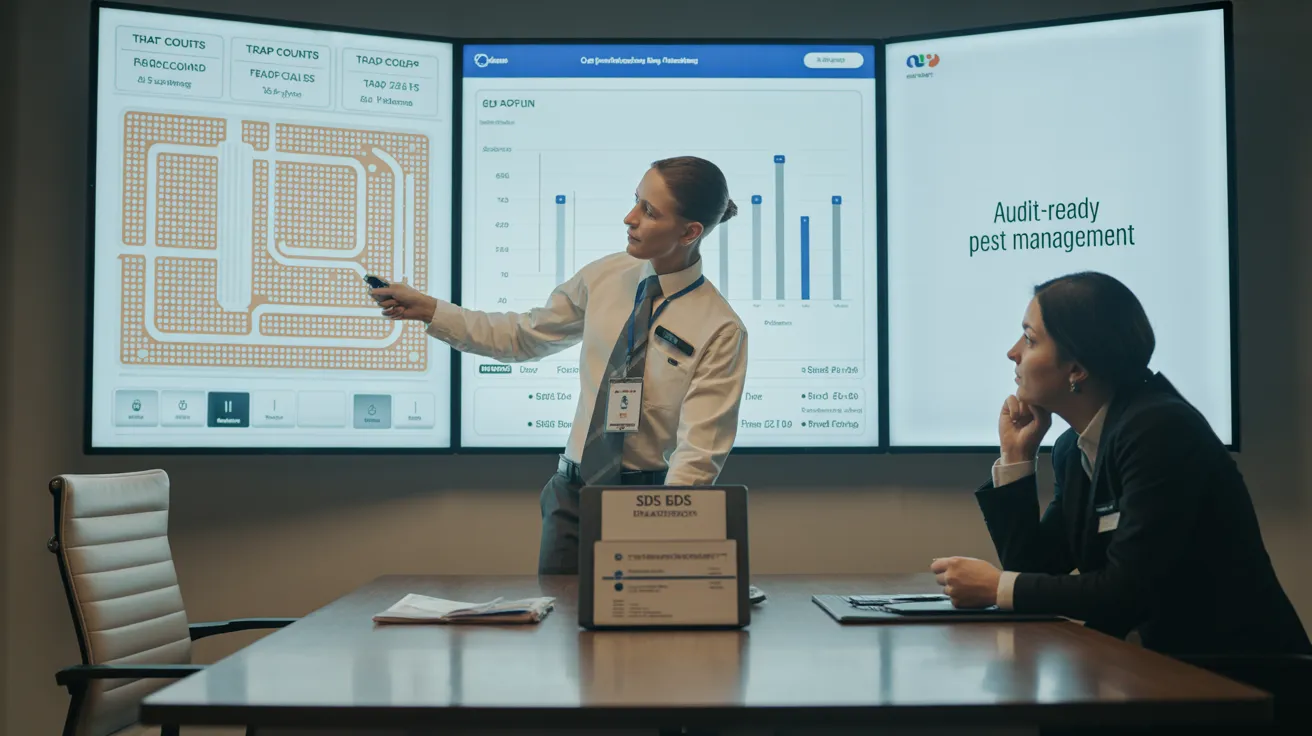
You need a Manhattan pest control specialist that understands NYC codes and your building's schedules. Seek out IPM-first service: thorough inspections, exclusion, sanitation, and specific EPA-registered treatments logged with labels, lot numbers, and re-entry times. Experts should handle common pests including rodents, insects, and bed bugs with targeted baits, HEPA vacuums, desiccant dusts, and appropriate thermal treatments-coordinated around set-out times and deliveries. Look for low-profile, audit-ready reporting and NYSDEC-licensed technicians. Learn how to select service and maintain prevention.
Main Insights
- New York City-compliant IPM experts: licensed, insured, NYSDEC-verifiable, with expertise in NYC building, fire, housing, and health regulations for apartment buildings, condominiums, rental properties, and business establishments.
- Inspection-focused solutions addressing Manhattan pest problems: various pests including roaches, rodents, bed bugs, and insects; infestation tracking within building infrastructure including chases, risers, walls, and basement areas.
- Advanced treatment solutions: precision baits, regulation-compliant trap stations, desiccant dusts, thermal treatment options; documented EPA labels, detailed safety documentation, safe re-entry periods
- Elite hospitality and high-rise services: utilizing unmarked fleet and flexible scheduling, with thoroughly vetted service teams, tamper-resistant equipment, low-odor treatment methods, detailed compliance records.
- Prevention-oriented contracts: focusing on exclusion and sanitization, seasonal monitoring, digital trend reports with photos, well-defined scope of work, EPA registration numbers for products, and verification of results.
Understanding Why Local Knowledge is Critical for NYC Pest Control
Throughout New York City's diverse urban buildings, having area-specific experience isn't negotiable-it's essential for effective, safe, and regulation-compliant pest control. You require a professional who knows how neighborhood knowledge intersects with building regulations, FDNY requirements, DOB access protocols, HPD housing standards, and NYC Health Code Article 151. A neighborhood specialist arranges evaluations according to delivery schedules, trash collection times, and compactor operations to minimize disruption and risk.
You gain access to experts certified in IPM, recordkeeping, and pest control methods that adheres to state labels and city regulations, incorporating child-occupied facilities and green building standards. They manage everything from notices, entry arrangements, and paperwork for co-ops, condos, and rent-stabilized units. Through regional knowledge, you get targeted treatments, secured entry points, and regulation-adherent monitoring that withstand audits and protect residents.
Dealing with Manhattan's Prevalent Pests: Professional Approaches
From brown-banded roaches to Norway rats, various pests including bed bugs, mice and drain flies exploit building infrastructure like chases, risers, shared walls and basements. You'll see pros start with inspection and monitoring, then address the root cause. For rodents, they focus on blocking rodent access: seal 1/4-inch gaps with metal, fit door guards, seal around pipes, and place approved snap traps. For roaches and ants, they address water issues, clean hiding spots, and apply targeted baits following regulations. Bed bug protocols rely on thorough inspection, encasements, and heat-safe prep, plus reinspection intervals. Drain fly control focuses on biofilm removal and proper drain care. For stinging insects, pros identify species, secure entry points, and comply with OSHA and EPA guidelines to ensure resident safety.
Professional, Contemporary Treatments for Homes and Commercial Spaces
You've witnessed how professionals identify and address pests and eliminate access to food and shelter; now attention turns to treatments that safeguard residents, animals, and compliance standards. You receive integrated pest management that starts by focusing on monitoring, sanitation, and exclusion, then adds targeted control measures. Specialists choose EPA-registered products, apply them with precision, and document lot numbers, treatment locations, and schedules to satisfy NYC and state guidelines.
When treating residential units, you'll see gel baits in secure stations, specialized dusts in wall cavities, and steam-based bed bug elimination, limiting chemical exposure. For commercial properties, we implement precise crack-and-crevice applications, effective growth regulators, and specialized pheromone traps to minimize disruption. Our child-safe approach feature low-odor solutions and advanced filtration equipment to ensure occupant safety. We provide detailed product information, with safety data, and perform verification checks.
Discreet Service Options for High-Rise and Hospitality Settings
Keep operations low-key without compromising on quality. In multi-story properties and lodging facilities, you need outcomes that stay unnoticed. Implement discrete scheduling to schedule non-peak or back-of-house work times, minimizing occupant interaction. Service professionals should come in discretely branded transportation with low-profile supplies, adhere to NYC Health Code, OSHA, and EPA label protocols, and respect hotel union and building access procedures. They'll utilize precision applications, HEPA-filter vacuums, and secure devices to secure critical zones.
Require detailed IPM plans and service logs suitable for audits. Confirm pesticide selection is based on location-based risk assessments. Request odor-minimized products and drift-management protocols to eliminate air handling issues. Require vetted technicians who use approved pathways away from guest zones. This method maintains service excellence and operational standards while maintaining discretion.
What to Look For in a Reputable Pest Control Company
While pricing is a consideration, be sure to choose a company with proven qualifications, clear business methods, and strong compliance. In New York, you need to check valid business registration, insurance coverage, and pesticide applicator certifications. Make sure to ask whether work is conducted by qualified specialists and ask for certification details for verification with NYSDEC. Insist on transparent pricing with written scopes, treatment product information, and product safety documentation prior to service.
Assess their Integrated Pest Management strategy, including scheduled inspections, tracking procedures, targeted applications, and exclusion techniques. Demand property-focused risk analyses that account for children, pets, food areas, and ventilation. Confirm they track control products, EPA registration numbers, and justification for application rates. Review their response times, QA procedures, and documentation systems that include statistical patterns and improvement steps. Ultimately, verify they educate staff on OSHA/NYC regulations and provide comprehensive pre- and post-treatment protocols.
Red Flags to Be Aware Of When Selecting Pest Control Professionals
With the characteristics of trusted providers in mind, be alert to red flags that suggest potential dangers to your home, wellbeing, and finances. Stay away from uncertified providers who can't produce a valid New York State pesticide applicator certification and proof of insurance - working with them can void warranties and create liability issues. Be skeptical of contractors emphasizing only cost, aggressive door-to-door sales, or quotes given without proper inspection - these often lead to inadequate service and overtreatment. Stay away from unclear "eco-friendly" statements that lack EPA-registered product information and safety check here documentation. Request comprehensive service agreements, specific treatment protocols, and explicit re-entry timeframes that comply with product guidelines. Decline providers who only accept cash, deals without written agreements, or those unwilling to provide references. Finally, be wary of promises of instant solutions for challenging pest situations.
Long-Lasting Prevention Solutions for Permanent Results
Since pest populations rebound without ongoing prevention, create a control strategy that combines Integrated Pest Management with New York-certified service schedules and paperwork. You will determine action levels, observe populations, and correct conditions that invite pests before they spread. Require seasonal evaluations that match pest patterns-rodents in fall, roaches year-round, mosquitoes and flies in hot months. Request specialized contracts that detail services, product labels, EPA registration numbers, and NYC/NY State reporting requirements.
Start with non-chemical solutions first: sanitation, exclusion, and moisture control. When pesticides are required, demand specific, minimal-risk formulations and written documentation. Ensure technicians maintain current NYSDEC certifications and adhere to notification protocols for multi-unit buildings. Track trends using digital records and visual proof. Evaluate outcomes quarterly and modify approaches to ensure lasting, code-compliant pest control.
Common Questions and Answers
What's the Expected Arrival Time for Emergency Pest Control in Midtown and FiDi?
Pest control teams in Midtown and FiDi normally respond within 60-90 minutes, featuring expedited service during workday hours and longer waits after hours. The dispatch team confirms the issue scope, access requirements and any pets, children, or sensitive hardware. Service providers adhere to NYC and EPA standards, use required PPE, and emphasize least-toxic methods. Clients get a detailed assessment, precise treatment protocol, and safety instructions. Most providers feature downtown service tracking and picture evidence to guarantee compliance and transparency.
What About Pet-Safe Solutions for Exotic Animals Like Birds and Reptiles?
Without a doubt-we implement pet-safe protocols and specialized treatments customized for vulnerable animals. Your birds and reptiles are as delicate as spun glass, so we carefully adhere to approved product protocols and integrated management approaches to minimize exposure. We consult your pet's doctor, isolate enclosures, adjust ventilation, and plan services around your animals' daily patterns. We document chemical SDS, provide re-entry intervals, and prefer mechanical, exclusion, and monitoring methods first. You'll get a transparent, pet-specific plan.
Can Treatment Times be Adjusted for Film Shoots and VIP Events?
We offer the flexibility to coordinate pest management for film productions and special events. You get flexible timing options, discreet arrivals, and seamless collaboration with production or venue managers. We strictly adhere to label directions, NYC and EPA rules, and furnish SDS and COIs upon request. Our professionals employ precise, minimal-impact treatments, sound-minimizing tools, and isolation measures to protect sets and talent. We can prepare areas in advance, operate during non-peak times, and provide documentation for permitting and risk management.
How Are Multi-Unit Billing and Landlord-Tenant Responsibilities Handled?
Costs are divided between individual units and shared spaces, while matching Tenant Billing with the pest control provisions in every lease. Compare personal and common duties: tenants manage unit-specific readiness, access, and documentation; the landlord handles complex-wide prevention, proofing, and treatments as per Lease Obligations and local housing regulations. You review and approve estimates beforehand, get itemized invoices, and acquire compliance documentation. For safety measures, you schedule notice-compliant visits, validate pesticide labels, and keep records for possible inspections.
Are Documentation Services Available for Co-Op Boards and Commercial Compliance Audits?
Absolutely. We deliver formal documentation specifically for co-op boards and commercial audits. We generate Certification letters outlining scope, chemicals, EPA registrations, and service dates. We also provide Compliance checklists conforming to NYC DOHMH, OSHA, and HUD IPM standards, along with SDS sheets, licenses, and technician credentials. We log monitoring data, corrective actions, and tenant notifications for traceability. When your board or auditor requests customized documentation or scheduled reports, we'll deliver them according to your timeline.
Closing Remarks
You've seen why local expertise matters, the pest issues facing Manhattan, and how licensed pros apply EPA-registered, regulated treatments that safeguard families, animals, and premises. Choose providers with transparent reporting, insurance, and NYC/NY state compliance-and avoid the unprofessional services. In tall buildings or accommodations, subtle, IPM-based plans stop rebounds. Envision your building as a well-locked fortress: access points secured, detection systems working, documentation clear. Collaborate with a trusted provider, maintain safety standards, and maintain a pest-free environment.